

iM16K in Aerospace Ground Equipment and Non-Critical Components
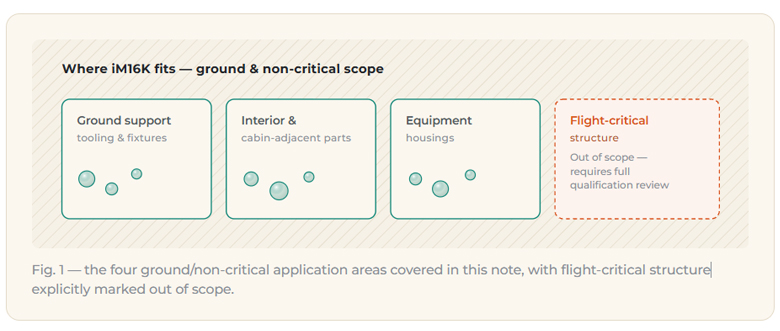
Scope, up front: everything in this note is about ground equipment and non-critical, non-flight components. We are not making claims about primary or flight-critical structure, and any move toward structural or flight-certified parts needs to go through your own qualification process and materials engineering review — not a filler data sheet.
Lighter tooling and fixtures that technicians lift and reposition by hand
Dimensionally stable jigs that hold location across large tool bodies
Flatter large-format housings and interior panels off the tool
Scope limited to ground support and non-flight-critical applications
01 Lightweight tooling and ground support equipment
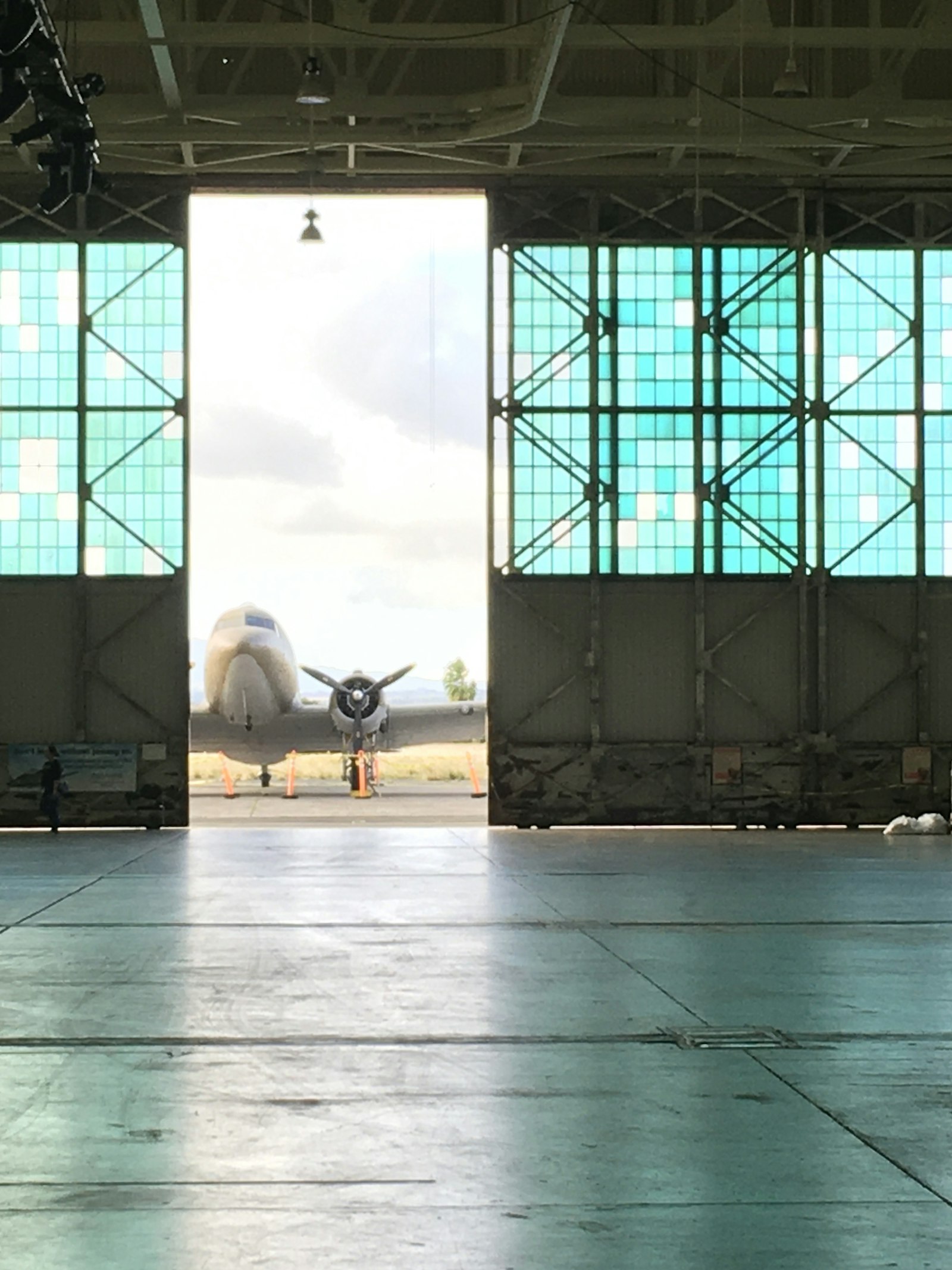
Ground support equipment — checking fixtures, transport cradles, service carts, and the assembly tooling used around the aircraft rather than on it — is handled and repositioned by technicians all day, every day. Loading iM16K into the compounds used for these tool bodies cuts the mass a person has to lift, carry, or wheel across a hangar floor, without sacrificing the stiffness needed to hold a checking fixture's reference geometry.
02 Jigs and fixtures
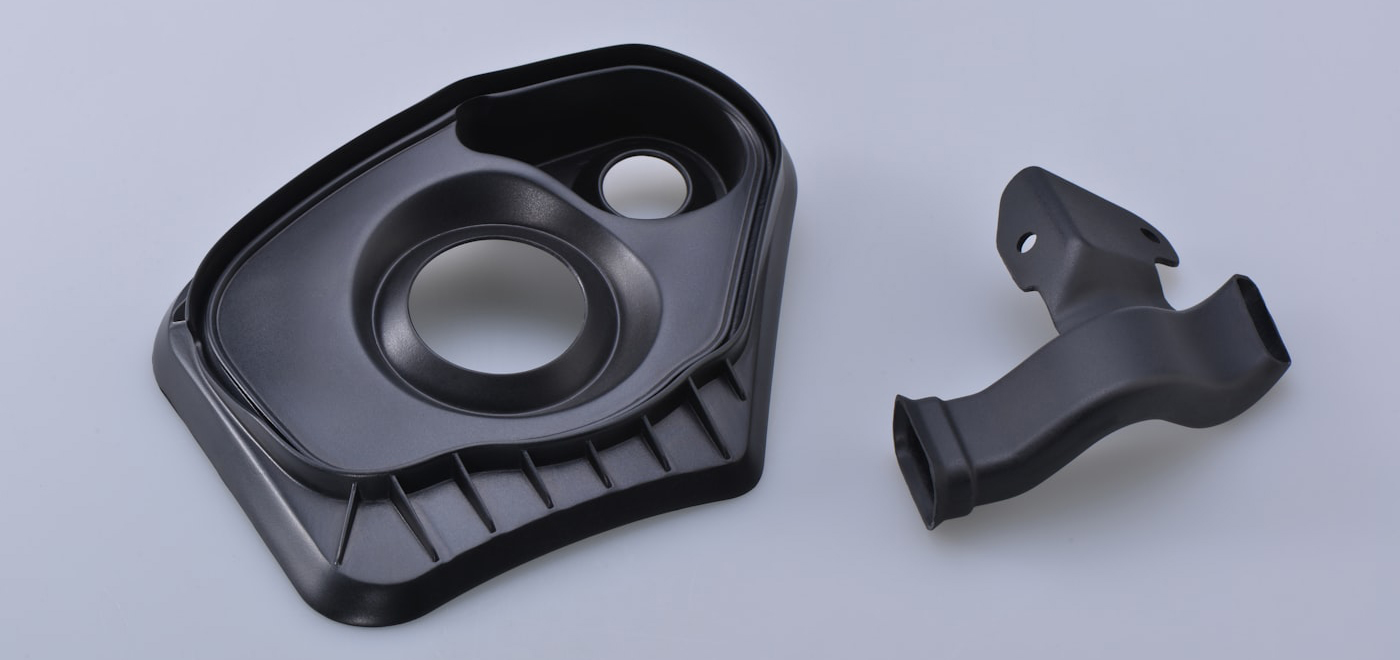
Jigs and fixtures live or die on dimensional stability: if the tool moves, drifts, or warps, every part built against it inherits the error. Here iM16K's spherical geometry does the same job it does in production parts elsewhere — shrinking isotropically rather than orienting with flow the way fiber reinforcement does — which helps a large fixture body hold its reference surfaces and locating features over repeated use and thermal cycling in a hangar or shop environment.
03 Interior and cabin-adjacent components
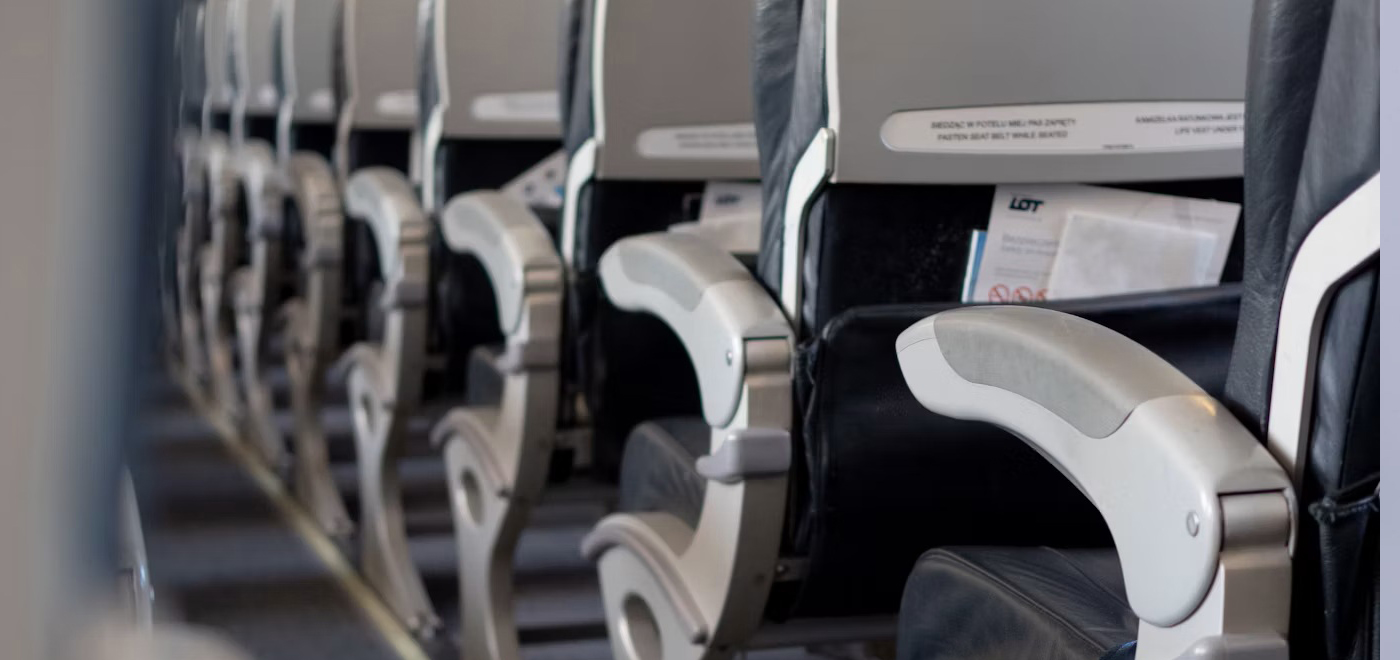
Interior trim, panel carriers, stowage components, and other cabin-adjacent parts sit in a category where weight reduction has a direct, compounding payoff without the certification burden of flight-critical structure. A lighter interior housing or bracket is easier for installation crews to handle and fit, and every gram saved here is a gram that doesn't need to be justified against a structural load case.
04 Equipment housings
Ground-based test equipment, avionics bench housings, and support-system enclosures benefit from the same large-panel dimensional stability seen in other big, flat molded parts: lower warpage means housings that seal, latch, and mate to mounting points correctly straight off the tool, without secondary fixturing to correct shape.
05 Why this stays in the ground and non-critical lane
Flight-critical and primary structural components go through a materials qualification and certification process that is entirely separate from a filler's technical data sheet — fatigue behavior, damage tolerance, and traceability requirements that a crush-strength number alone can't speak to. Ground equipment, tooling, and non-critical interior components don't carry that same certification burden, which is exactly why they're a practical, near-term place to apply the same weight-reduction and dimensional-stability benefits seen across iM16K's other applications.
LIGHTER TOOLING
Less mass for technicians to lift, carry, and reposition around the hangar or shop floor.
STABLE FIXTURES
Isotropic shrinkage helps large jig and fixture bodies hold reference geometry over time and temperature.
EASIER INTERIOR FIT
Lighter interior and cabin-adjacent parts are simpler to handle and install without a structural load case to satisfy.
FLAT HOUSINGS
Lower warpage on large equipment enclosures means correct fit and seal straight off the tool.
If you're evaluating iM16K for ground support or non-critical aerospace components, our applications team can talk through loading levels for your specific compound and part — and help you scope clearly what is, and isn't, covered by that conversation.